
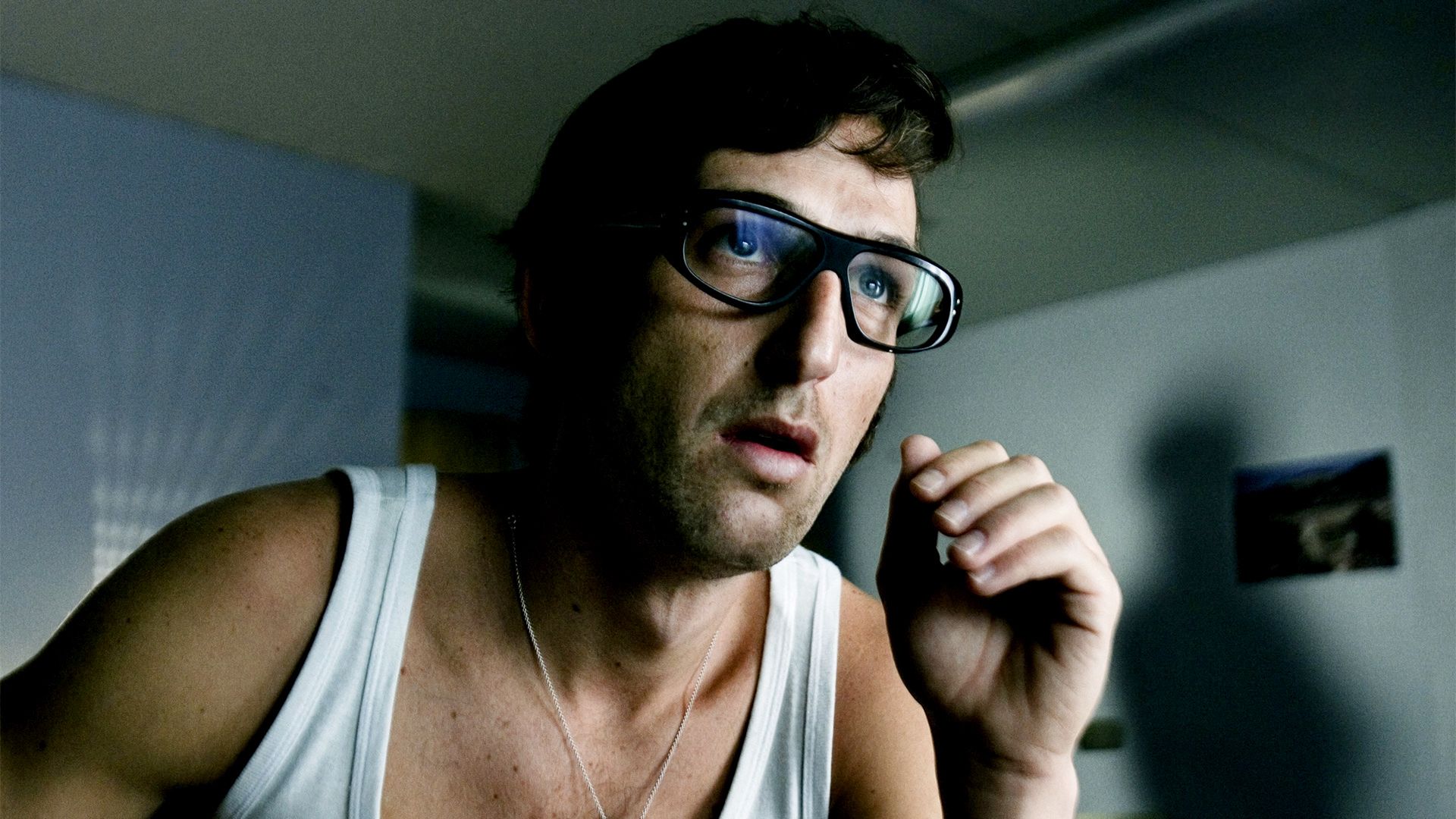
One of the best Steven Spielberg movies ever made in the 21st century is about to leave streaming, meaning there's a limited amount of time to watch it again. Spielberg's best movies stretch across decades, from the thriller creature attributes of Jaws to the more light-hearted, family-oriented story of E.T. He's also been responsible for a number of other classics that have stood the test of time, from Schindler's List, which earned Best Picture the year it was released, and Jurassic Park, which has since spawned a franchise of dinosaur movies.
But Spielberg also brought his talent into the 21st century, crafting a number of films that have become relatively modern classics in the process. This includes movies like the sci-fi mind-bender Minority Report and the historical biopic Lincoln, a testament to how well Spielberg is able to work across various genres. But there's one movie that he's made in the 21st century that surpasses almost all his others in its storytelling. This historical drama pulls from a very real event, and imparts the proper level of gravity on it at the same time.
That movie is Munich, one of Spielberg's greatest films and one that often goes unsung amid his catalog of classics. The 2005 historical drama was co-written by Tom Kushner and Eric Roth, pulled from the pages of the nonfiction novel Vengeance by George Jonas. The movie follows the aftermath of the Munich massacre that took place in the 1972 Summer Olympics, an attack carried out by Palestinian military organization Black September, resulting in the deaths of 11 Israeli coaches and athletes held hostage. It follows Mossad's Operation Bayonet, assassinations carried out against Black September operatives in retaliation for the attack.
The film is a somewhat fictionalized accounting of Operation Bayonet, with the protagonist, Avner Kaufman (Eric Bana), being a fictionalized version of Juval Aviv, a real-life security consultant with claimed ties to the operation. Other stars include Daniel Craig, Ciarán Hinds, Mathieu Kassovitz, and Hanns Zischler, all of whom portray the core team tasked by Mossad in hunting down Black September members. At first, the movie presents their mission as for the good of Israel. However, things begin to unravel as the film progresses.
What makes Munich one of Spielberg's most powerful movies is that it doesn't shy away from difficult conversations surrounding the core mission. Its assassin team constantly argues about the morality of what they're doing, wondering if it's really in the best interest of their government to be carrying out their mission. This is especially the case once innocent people become caught in the crossfire. The movie finds a balance between a government's response to a terrible event and the true cost that response brings to the table.
Unfortunately, viewers don't have long to watch the movie. According to Prime Video, Munich will be leaving its library on October 31, 2026. This gives potential audiences just a few days to watch the movie for themselves, and see how Spielberg approached its difficult subject matter with a mature tact.
Munich doesn't get as much attention as Spielberg's other 21st century works. Reviews for Munich were positive. The movie is currently sitting at a Certified Fresh 79% by critics on Rotten Tomatoes, proof of how high the bar of quality for it really is. But, at the same time, the film only made $131 million worldwide against a $70 million budget, making it a box office underperformer. It also only made $47 million domestically, making it Spielberg's lowest-grossing film in North American territories.
And yet, despite its initial poor performance, the movie managed to earn five Oscar nominations following its release. While it's not as well-remembered as some of his other works, Spielberg still deserves plenty of credit for the movie and its complex lens on the Munich massacre and Operation Bayonet. It only serves to make Munich an even more memorable movie, that viewers should watch on Prime Video before its time is up.


