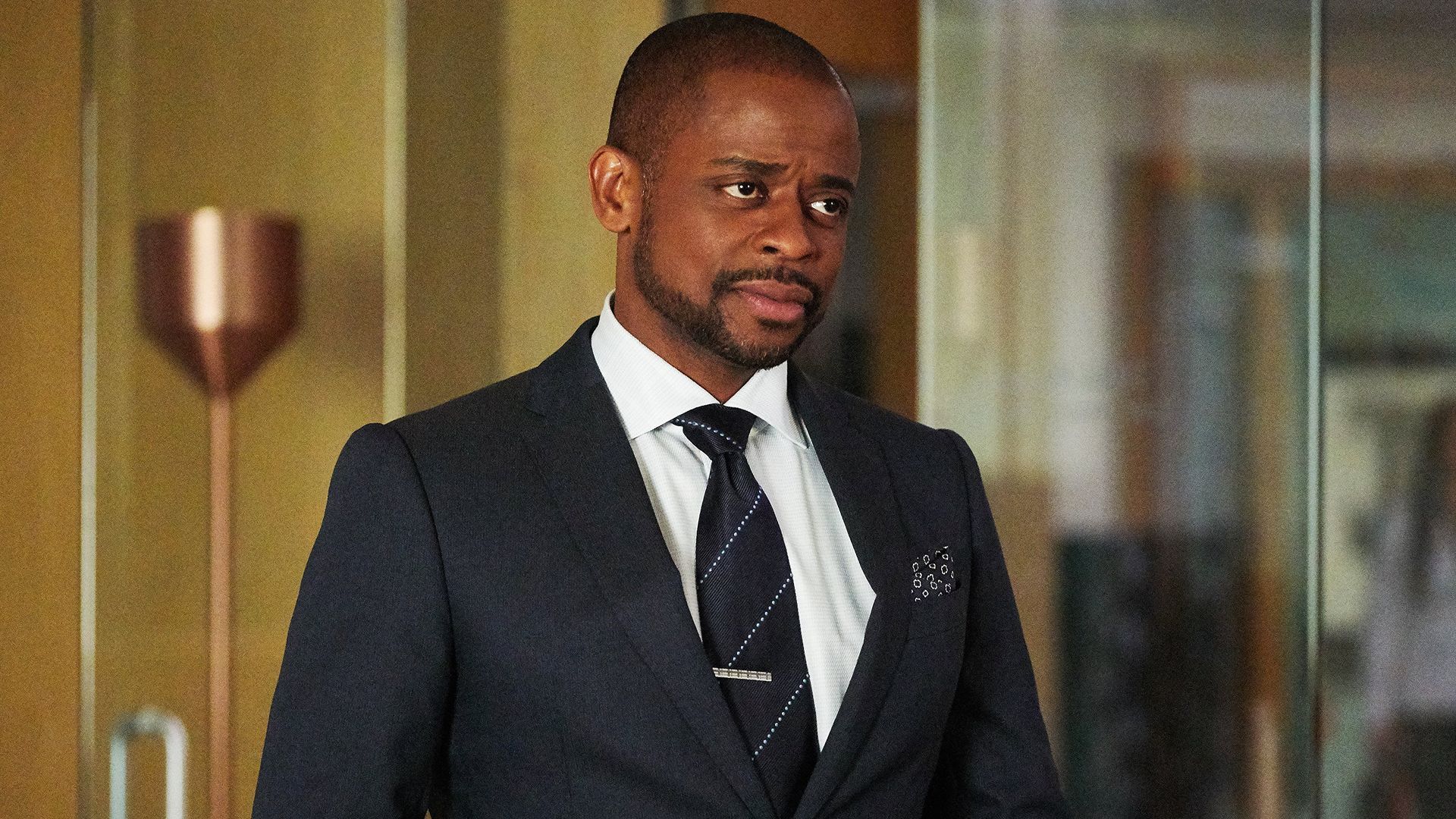
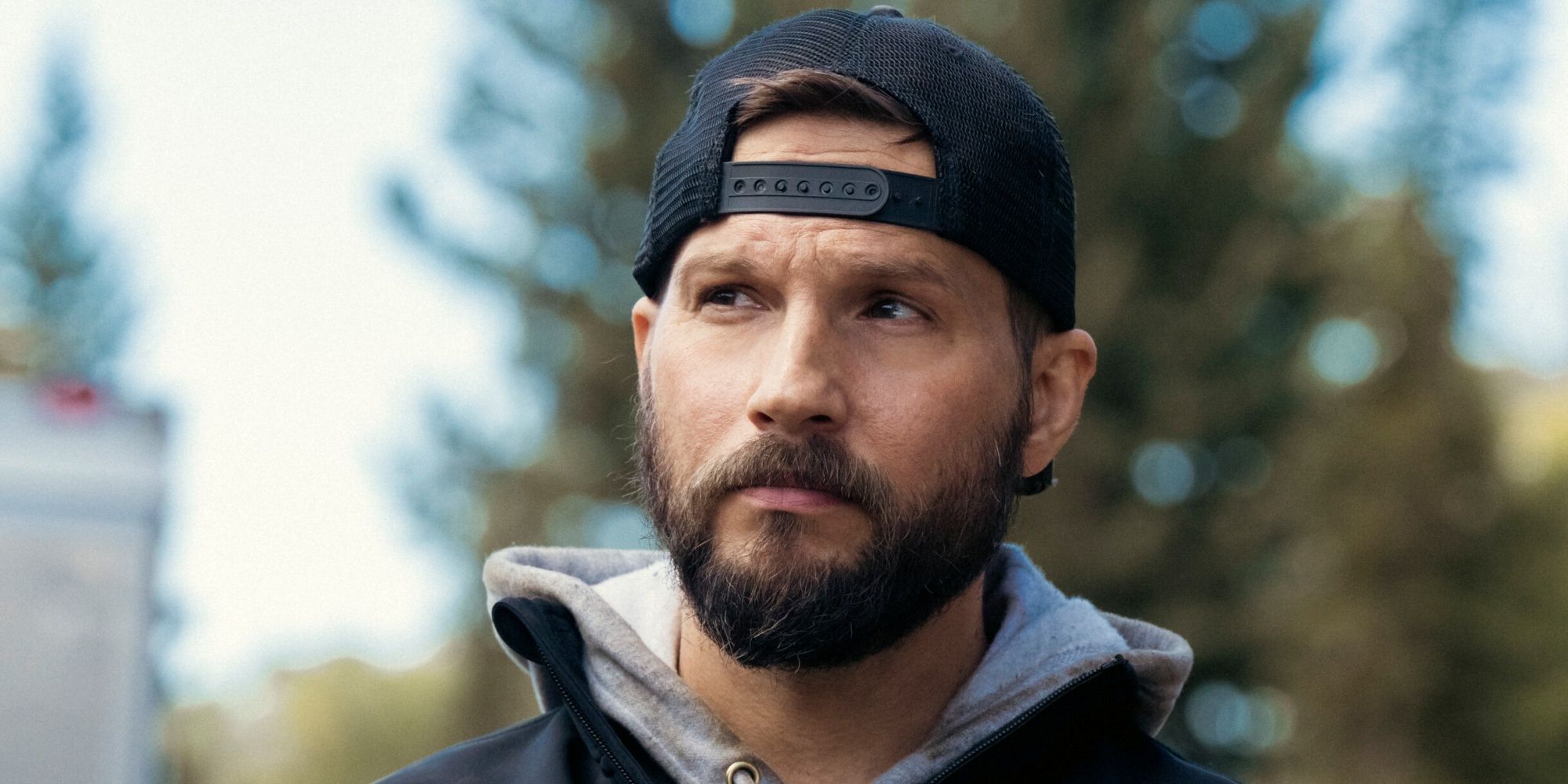
Season 2 of Marshals is currently airing on CBS, but Taylor Sheridan’s latest Yellowstone spin-off is also finding an audience on Paramount+. Continuing Kayce Dutton’s (Luke Grimes) story after the Dutton family’s troubles, the series sees him find new purpose when an old friend from the U.S. Navy SEALs arrives in Montana and offers him a place on the U.S. Marshal team. For Kayce, his family history and the resentment townsfolk still hold toward the Duttons make his new role ironic. After all, he’s now tasked with protecting Montana through the very law and order his family has often found itself at odds with.
While Marshals benefits from its connections to Yellowstone, it also brings a fresh perspective to the franchise through Kayce’s new role and the challenges that come with it. The show may be finding its footing on the streaming charts, but building on that early momentum will take more than the Yellowstone name. Season 2 still has work to do to establish its own identity and give viewers a reason to keep coming back.
Marshals is set 15 months after the Yellowstone finale, an event that was anything but peaceful. As a refresher, Kayce’s father and the formidable Dutton patriarch, John Dutton (Kevin Costner), is brutally murdered. To avoid inheritance and generational conflict, Kayce and his surviving sibling, Beth Dutton (Kelly Reilly)—who stars in her own spin-off, Dutton Ranch—sell the Yellowstone Dutton Ranch to Chief Thomas Rainwater (Gil Birmingham) and the Broken Rock Indian Reservation, breaking the age-old Dutton curse by giving back sacred land to its original Native American stewards.
The show that claimed the most of your answers is the world you were built for. If two tied, both are shown — you're complicated enough to straddle two Sheridan universes.
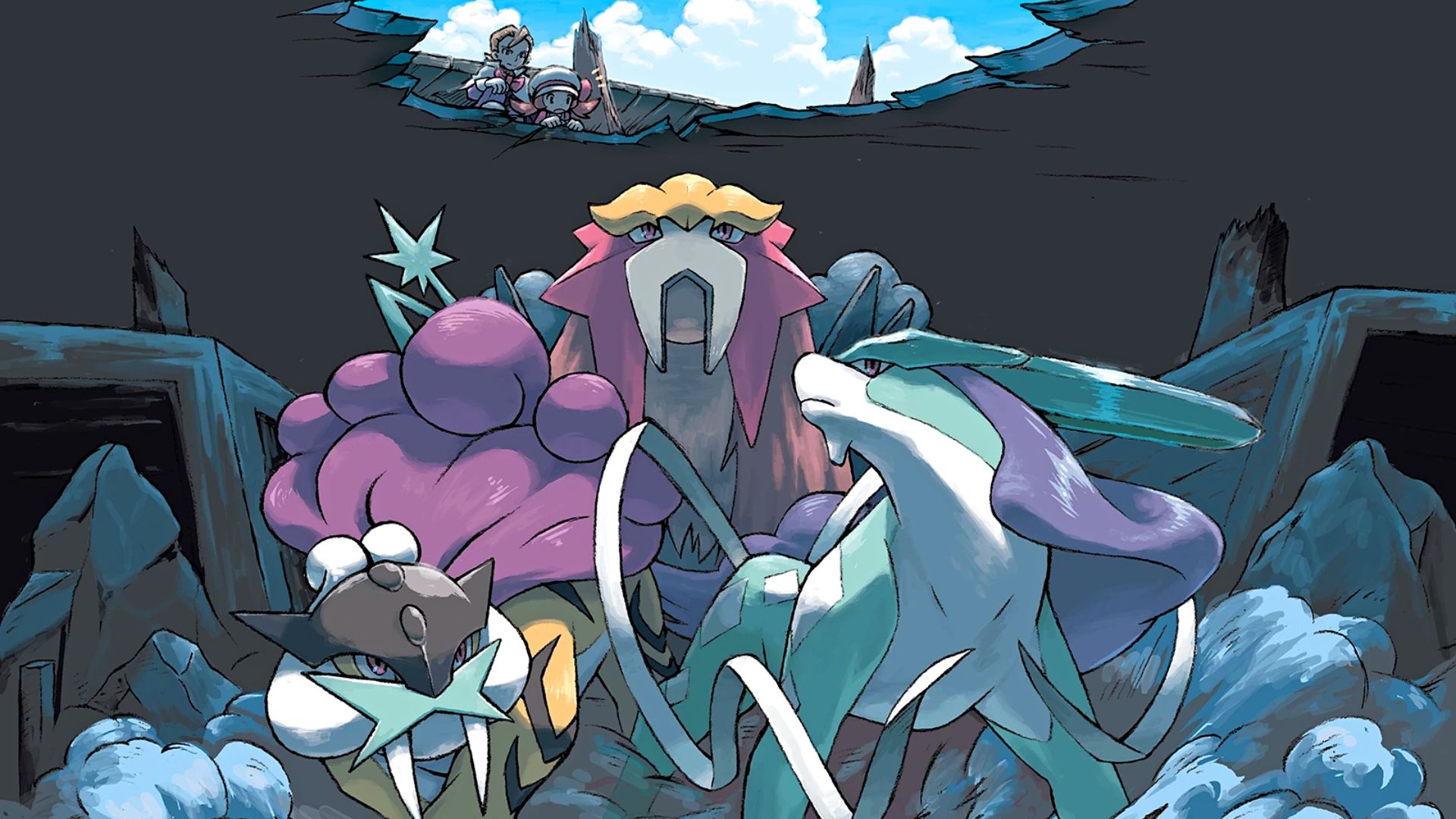
You are a Dutton — or you might as well be. You understand that some things are worth protecting at any cost, and that the modern world's indifference to history, to land, to legacy, is not something you're willing to accept quietly. You lead from the front, you carry your family's weight without complaint, and when someone threatens what's yours, you don't escalate — you finish it. You're not cruel. But you are absolute. In Yellowstone's world, that combination of ferocity and loyalty doesn't make you a villain. It makes you the only thing standing between everything that matters and everyone who wants to take it.
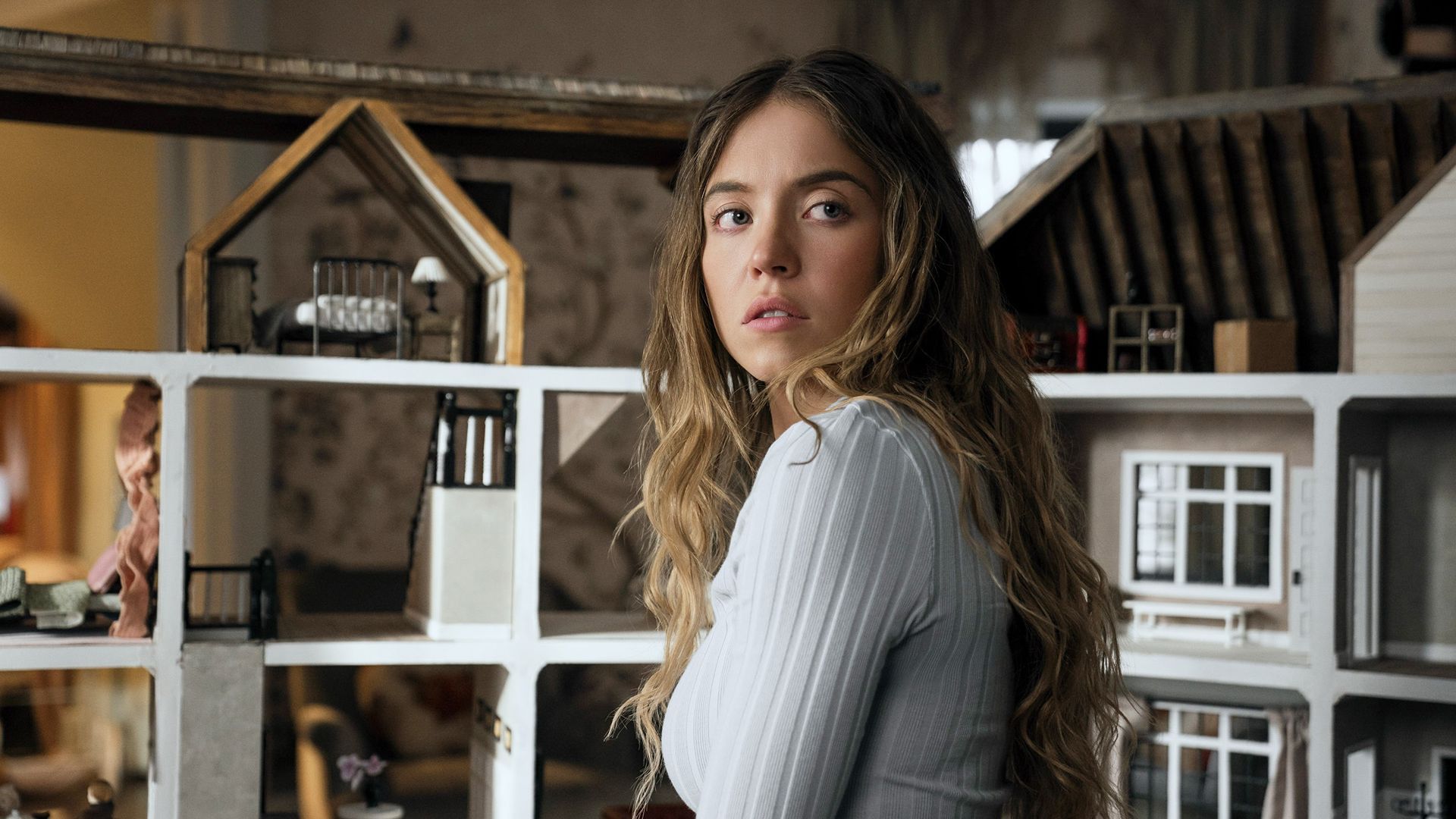
You thrive in the chaos of high-stakes negotiation, where the money is enormous, the margins are thin, and the wrong word in the wrong room can cost everyone everything. You're a fixer — the person called when a situation is already on fire and needs someone with the nerve to walk into it. West Texas oil country rewards exactly what you are: sharp, adaptable, unsentimental, and absolutely clear-eyed about what people want and what they'll do to get it. You're not naive enough to think this world is fair. You're smart enough to be the one deciding who it's fair to.
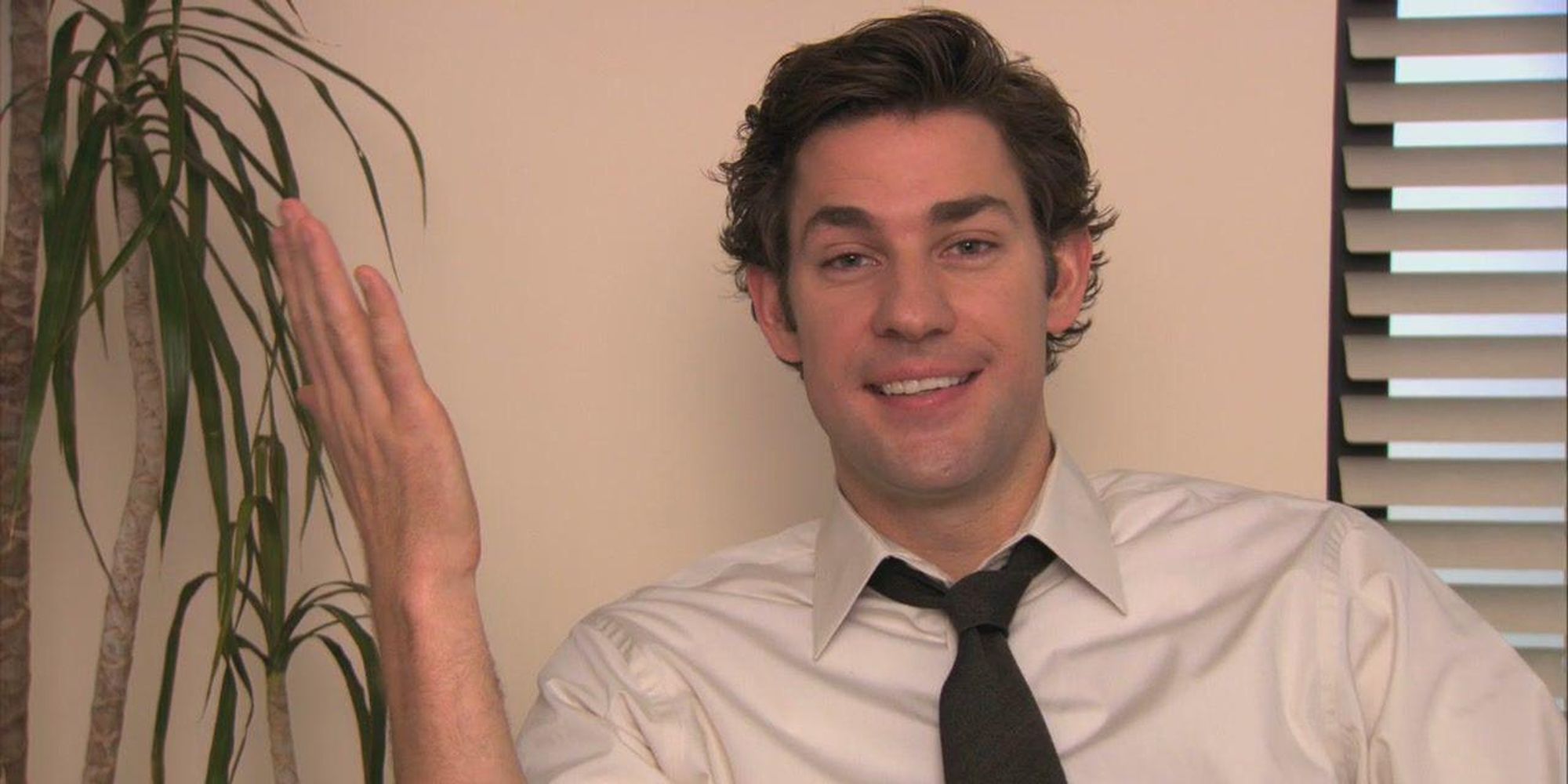
You are a Dwight Manfredi — someone who has served their time, paid their dues, and arrived somewhere unexpected with nothing but their reputation and their wits. You adapt without losing yourself. You build loyalty through respect rather than fear, though you're not above reminding people that the two aren't mutually exclusive. Tulsa King is for people who are still standing when everyone assumed they'd be finished — who find, in an unfamiliar place, that they're more capable than the world gave them credit for. You don't need a throne. You build one, wherever you happen to land.
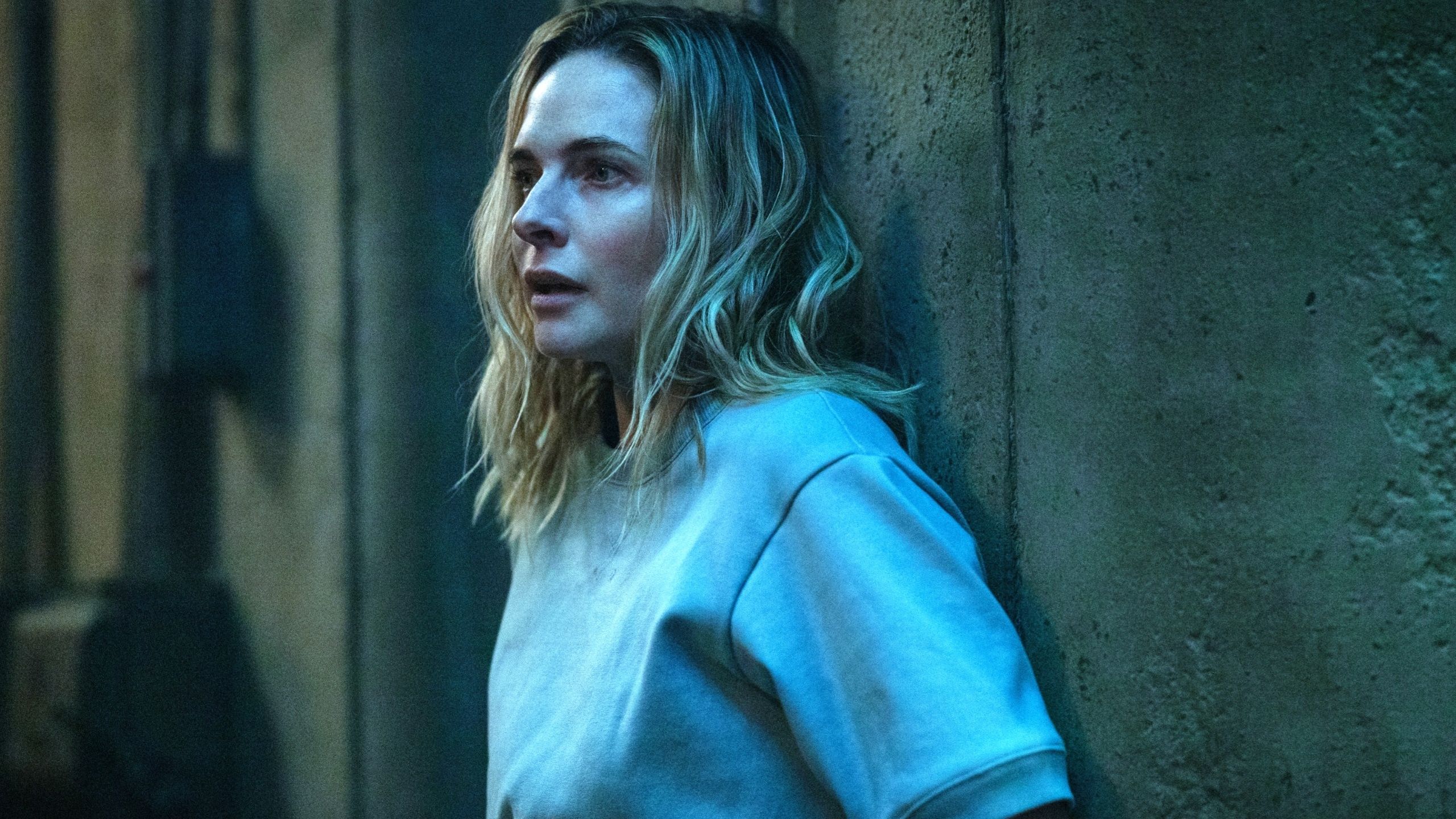
You carry the weight of a system that is broken by design, and you do it anyway — because someone has to, and because you're the only one positioned to do it without the whole thing collapsing. Mike McLusky's world is for people who are comfortable operating where there are no good options, only less catastrophic ones. You speak every language: law enforcement, criminal, political, human. That fluency makes you invaluable and it makes you a target. You've made your peace with both. Mayor of Kingstown belongs to people who understand that keeping the peace is not the same as being at peace — and who do the job regardless.
Unfortunately, that’s not the end of Kayce’s problems. In Marshals, Kayce and his son Tate (Brecken Merrill), who now live at East Camp, are hit by the death of Monica (Kelsey Asbille). Also no longer serving as Montana’s Livestock Commissioner, life seems purposeless for Kayce. That is until his former Navy SEAL Senior Chief Pete “Cal” Calvin (Logan Marshall-Green) visits him in Montana and offers Kayce a chance to join the U.S. Marshals Service, given his experience in the military and vast knowledge of the Montana grounds. It might not be the cowboy life Kayce was raised on, but it’s a new chapter where Kayce feels like he may be doing some actual good for once.
As of this writing, Marshals ranks No. 4 on Paramount+’s U.S. Top 10 TV chart, trailing Sheridan’s Lioness at No. 3. Still, Marshals faces an uphill battle, with a 48% Rotten Tomatoes Tomatometer score and a 28% audience score, both among the lowest for Sheridan’s shows. That’s a stark contrast to Lioness, which boasts a 77% Tomatometer score and a 76% audience score. More concerning, however, is that Marshals is supposed to be Kayce’s redemption-seeking spin-off following the events of the Yellowstone finale, yet its reception is a far cry from Yellowstone, which holds an 83% Tomatometer score and a 76% audience score.
Much of the criticism stems from Marshals’ NCIS-style case-of-the-week format, which trades Yellowstone’s layered, philosophical storytelling for a more conventional broadcast formula. Its rushed pacing, awkward transitions, and quickly resolved conflicts often make the action feel like spectacle for spectacle’s sake. The Season 1 finale also struggled to make its villain’s betrayal land, relying on an anticlimactic twist rather than organically building toward the reveal. But perhaps the biggest criticism is how Marshals kills off Monica, a longtime Yellowstone character, in an unceremonious, off-screen manner, which feels like a betrayal to longtime fans.
Ironically, just as Kayce tries to escape his father John’s shadow, Marshals is attempting to establish its own identity beyond Yellowstone. Its No. 4 streaming-chart position suggests the spin-off still has an audience, but its long-term success depends on whether it can develop a stronger identity without losing the franchise’s appeal. Season 1 brought viewers back to familiar Montana territory while introducing a more fast-paced, procedural tone. Now, Season 2 faces a new challenge: giving audiences a reason to stay. Because Marshals differs so much from Yellowstone, it cannot simply rely on the original show’s legacy and fanbase to sustain itself.
Season 2 of Marshals must give viewers more reasons to care about the show, and one way it can do that is by digging deeper into the Marshals’ personal struggles established in Season 1. Apart from Kayce’s post-Yellowstone identity crisis, Cal faces a cancer diagnosis, Belle (Arielle Kebbel) tries to protect her family after an assassination attempt, and Miles Kittle (Tatanka Means) struggles to balance serving a government institution with his loyalty to the Broken Rock Reservation. These conflicts leave room for deeper emotional storytelling, allowing Season 2 to get audiences invested in the people behind the badges. More importantly, it allows the new cast to shine on their own without relying solely on action and the Yellowstone legacy.