2026 has been one of the greatest years for media in a long time, and video games in particular have had a better year than most. Resident Evil and The Legend of Zelda are both celebrating their 30th and 40th anniversary respectively, with the former having a new movie and game and the latter releasing a remake of The Legend of Zelda: Ocarina of Time, one of the best titles of all time, later in the year. More than that, there are plenty of well-reviewed games such as Pragmata and Mina the Hollower, all of which are making the race for the 2026 Game of the Year even tighter than usual. However, it wouldn't be a year of gaming if there wasn't plenty of controversy.
For as many good things that have happened in the game industry, there are as many bad things, from rising prices of games and consoles, more layoffs, and PlayStation's announcement that they won't support physical media in the future. However, the bad is expanding beyond the industry and finding itself in the culture of the fans. Gamers are more critical than most fans in other mediums, but it has reached an all-time high in 2026. Two video games specifically have received the brunt of the hate this year, which includes Marvel's Wolverine and Grand Theft Auto VI. One of them isn't even out yet, but both have been scrutinized by the community, making them the most controversial offerings of the year. Do they deserve the hate?
Before this list delves into the criticisms of fans and analyzes their reaction to these titles, it will first go through and detail what they are about. Marvel's Wolverine is Insomniac Games' most recent title, following their success with the Marvel's Spider-Man franchise to deliver another superhero game. Announced in 2021, it took five years for this game to come out, and the reaction is mixed. This action-adventure game follows the titular hero, played by Liam McIntyre, as he gets involved with Team X after losing his memories. While he likes to do things himself, he finds new bonds with a group of mutants as they team up to fight the injustices against them. The combat is visceral, fast-paced, and absolutely engrossing, giving gamers the authentic Wolverine experience as they embody this role.
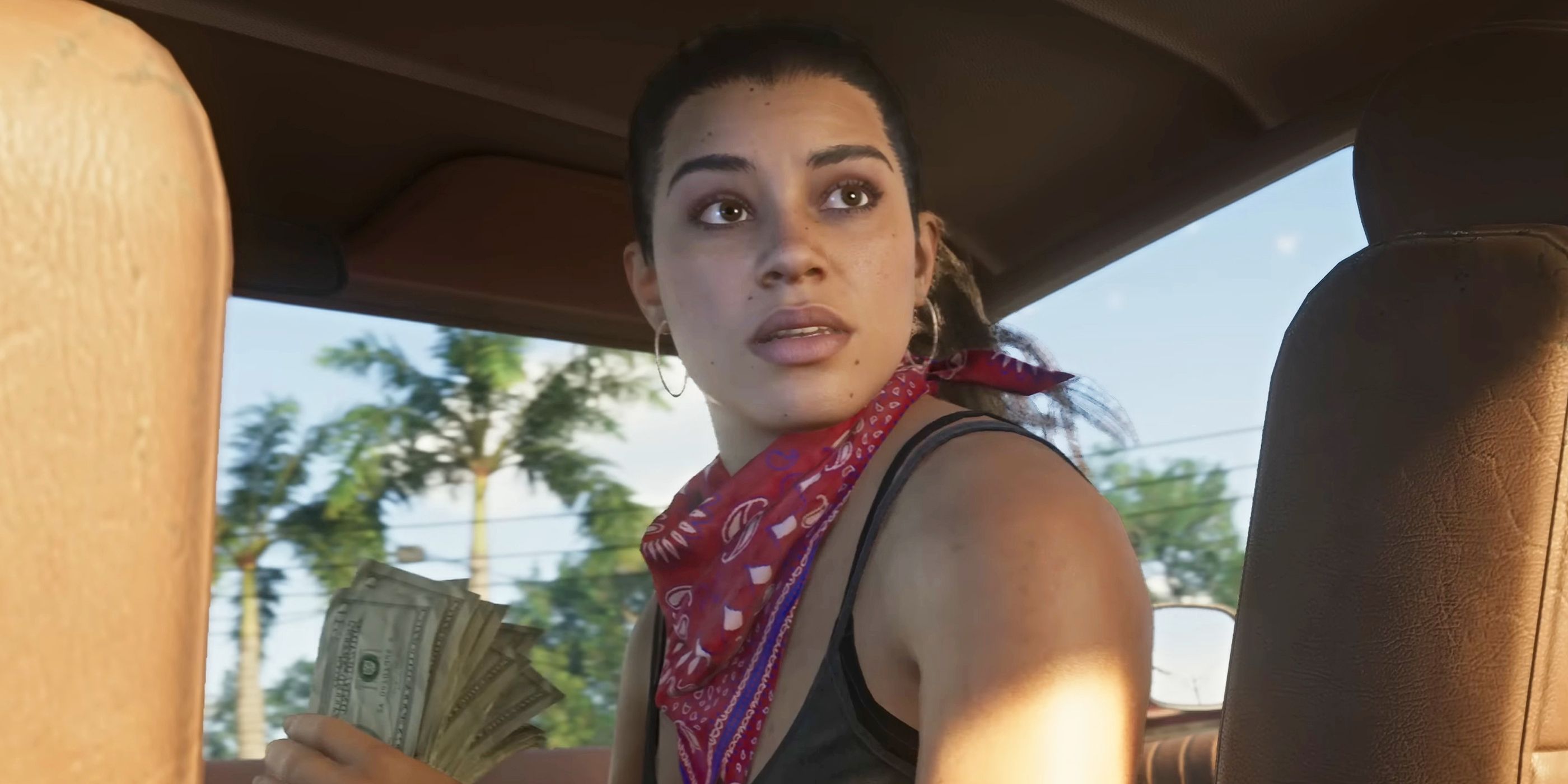
Next is Grand Theft Auto VI, which is hard to explain mainly because the game isn't out yet, so no one knows its narrative. However, the game is set in Vice City and follows a Bonnie and Clyde-type relationship between Jason Duval and Lucia Caminos, the voice actors of which have not been officially announced. It has been over a decade since Grand Theft Auto V and eight years since Rockstar's last game, Red Dead Redemption 2, meaning this one is highly anticipated. While we don't know the main story, fans at least know what to expect in terms of gameplay, including a highly dense city to explore, captivating gunplay combat, detailed mini-games and random things to do, and hyperrealistic graphics.
Marvel's Wolverine is a good, but not great, video game, and Grand Theft Auto VI isn't even out yet, but is likely to be the biggest video game of 2026. So, what exactly is the controversy surrounding them? Well, one common aspect is that they were highly anticipated, and now that Marvel's Wolverine hasn't lived up to expectations, fans are becoming extra critical. Insomniac Games has a good track record, but Marvel's Wolverine is their lowest-rated video game and PlayStation's lowest-rated title in a while. Some of their titles were the best video games of the 2010s, but their most recent game has underwhelmed. What exactly is responsible for these low ratings?
Marvel's Wolverine features great combat that naturally lets the player learn the combos, but there are plenty of criticisms. The narrative is hard to critique since it is so subjective, with some fans loving the change of origin, and others hating the revamped differences. The biggest criticism is the guidance, which holds the players' hand throughout the entire game. There are scent trails that directly lead the player to where they need to go, which seems redundant and over-the-top for a linear game. The characters also constantly tell the players what to do, and the collectibles have bright icons to notify players.
Meanwhile, as the most hyped video game potentially of all time, Grand Theft Auto VI has higher expectations than most, and that leads to more pressure. The trailers and extensive looks are spectacular for the most part, but fans have nitpicked anything they can find. From awkward animations to reaching into a fridge and grabbing an invisible beer, gamers are overanalyzing everything about Grand Theft Auto VI. Other criticisms include the game being too "woke," like Jason not being masculine enough. Outside the actual game, there is controversy surrounding the pricing and the fact that there isn't a physical disc.
Based on your answers, the Marvel hero who matches your spirit, values, and instincts has been revealed.
You carry the weight of the world on shoulders that are younger than they should have to be — funny, loyal, and endlessly self-sacrificing.
You fight in the shadows between law and chaos, guided by a fierce moral compass that refuses to let the guilty walk free.
Brilliant, driven, and occasionally insufferable — but always the person who solves the unsolvable problem.
You've been through fire that would break most people — and it did change you, completely. What's left is unyielding, relentless, and operating by a code forged in grief.
Powerful, proud, and on a lifelong journey to become worthy of the legend you carry.
You believe in something bigger than yourself — and you fight for it even when the world has moved on and nobody else will.
Now that everyone is up to speed about Marvel's Wolverine, Grand Theft Auto VI, and the controversy surrounding them, what exactly is the problem? To preface, this article isn't saying these games are beyond criticism. In fact, they should be held to a high standard that forces the industry to take fans seriously and make the games consumer-friendly. In the end, all fans want are good games, and studios should have an obligation to provide that. The issue comes from the fact that the reaction to these two games is so overblown.
Marvel's Wolverine is far from perfect, and it won't be the most universally beloved video game of the 2020s. However, if one were to only look at the discourse online, they would assume it's one of the worst video games of all time. One thing modern gaming culture is experiencing is the need for games to be a ten or a nine; anything below is bad. There is no nuance to the discussion anymore, with fans who love the game getting hated for enjoying it, and those who aren't fans being called toxic. Both sides are having extreme reactions to a game that is simply good, which only results in more discourse, escalating hate or toxic support. As soon as there is one bad thing, fans will latch onto anything negative, no matter how big or small. Marvel's Wolverine has some serious issues, but the reaction is overblown. Video games are supposed to be fun, but it has gotten to a point where "having a blast" is a bad thing.
Now for Grand Theft Auto VI, which faces an even more outrageous situation. Aspects like the price and lack of a physical disc are genuine concerns that have an impact and should be brought to light. However, the game itself isn't out, and fans are already hating on it. Gamers have picked through the trailers like a vulture on a dead horse, hunting for anything to reaffirm their preconceived hate of the game. They are finding increasingly smaller hills to die on, making any criticism fall flat and feel like a forced agenda. Grand Theft Auto VI could be one of Rockstar's best video games of all time, but because it is "woke," has some wonky animation, or feels too similar to the other games in the franchise, people are boycotting it.
Expectations are ruining the gaming industry. This point is hard to argue with, because fans simply want what they believe is promised. The issue comes when those expectations are bigger than the game itself. Gaming culture is overly toxic, and this, unfortunately, gets more attention than any support, which is also used to discredit fans who enjoy the games. Gamers often ignore any sort of positive and shine a light on a game's flaws, which brightens through unfounded hate. We're now at a point where that light is actually a spreading inferno fueled by those convinced they didn't start the fire.
This isn't anything new—gaming culture has had toxic tendencies forever, reaching a breaking point in the 2020s by weaponizing criticism against fans and developers. It is hard to feel safe when opinions are more like agenda pieces that result in death threats, and that is exactly what is wrong with gaming culture: it is a reactionary echo chamber that views things in black and white with no consequences. Marvel's Wolverine and Grand Theft Auto VI aren't the only examples, but they are undoubtedly the two figureheads of 2026. Is this the future of the industry? Worst: it's the present.