
While the sheer number of spinoffs from the original AMC show make it somewhat understandable that The Walking Dead can no longer claim to be the best show in its own franchise, the fact that it isn’t even the second best is more unfortunate. When The Walking Dead debuted in 2010, the show did so in a profoundly different cultural environment than that of 2026. Admittedly, boundary-pushing shows like The Shield had, in the wake of The Wire and The Sopranos, pushed the norms of cable censorship.
Similarly, then-recent hits like True Blood displayed a public appetite for gory horror shows aimed at adults, while Breaking Bad had proven that even the most seemingly irredeemable protagonists and darkest storylines could be compelling. However, before FX’s infamous American Horror Story began, there were few examples of major mainstream hit shows as outright gruesome, downbeat, and unapologetically dark as The Walking Dead.
Based on creator Robert Kirkman’s comic book series of the same name, The Walking Dead was a gripping but brutal survivor story that followed Andrew Lincoln’s Rick Grimes as he navigated a wasteland in the wake of a zombie apocalypse. The show was such a massive hit that The Walking Dead not only lasted over 170 episodes across 11 seasons, but also spawned a slew of spinoffs. While Fear the Walking Dead, World Beyond, Tales of the Walking Dead, and Dead City were all watchable, Daryl Dixon and The Ones Who Live ended up outdoing the original show.
With only six episodes in its first two seasons and seven in its third, Daryl Dixon was a far tighter, shorter show than its predecessor. However, this worked in favor of the spinoff, since it ensured that Norman Reedus’ fan favorite could get a show of his own without viewers getting tired of his tale. This truncated runtime meant that Daryl Dixon, both the character and the show, never risked outstaying its welcome.
Daryl Dixon’s Mystery Box plotting also helped the show feel less like a redundant extension of the original series, as the question of how Daryl washed up in France gave the show a narrative engine that was sorely lacking in The Walking Dead’s episodic, lackadaisical later seasons. That said, 2024’s The Ones Who Live didn’t need this twisty plotting to succeed, and even managed to outdo the original show while also bringing back two of its most famous protagonists.
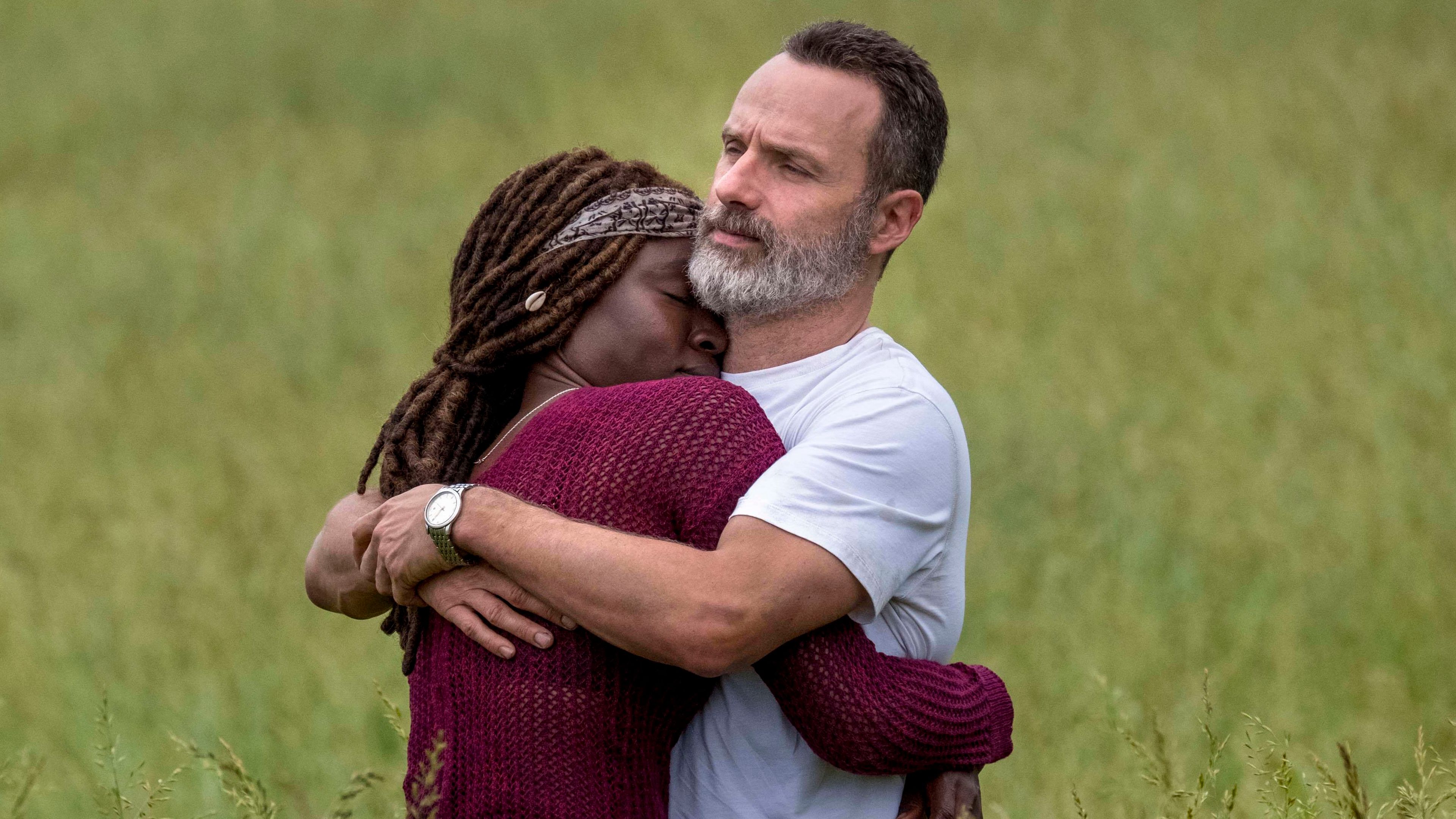
If The Walking Dead franchise bringing back a breakout character like Daryl ran the risk of seeming desperate, then a sequel series focused on Rick and Danai Gurira’s Michonne could have been blatant pandering. These were not only two of the show’s most popular characters, but also two of the lead characters that viewers already had the most exposure to. Despite this, however, The Ones Who Live managed to surprise longtime fans and critics alike.
With a mere six episodes in its first season, The Ones Who Live season 1 left viewers with only one complaint, namely, that they wanted more of the show. The series successfully reintroduced Rick and Michonne and gave the pair a compelling, genuinely thrilling new story that built on their existing chemistry without ignoring the historic hardships ensured by the fire-forged couple.
In the process, The Ones Who Live offered further proof of Daryl Dixon’s most surprising revelation. Even though The Walking Dead was a massive ratings hit in its early years, the show would have benefited immensely from cutting down its lengthy 16-24 episode seasons into tighter, shorter seasons of 6-10 episodes apiece. Sadly, The Walking Dead’s more traditional structure means the original show outstayed its welcome, unlike The Ones Who Live and Daryl Dixon.