For 26 years, the character of Wolverine has been synonymous with one man – Hugh Jackman. Cast in 2000’s X-Men as a replacement for first choice Dougray Scott, the actor went on to define the Marvel hero in the eyes of a generation of movie fans. Alongside the main X-Men movies (and one comedic team-up with Deadpool), there were three solo Wolverine adventures that provided a beginning, middle, and end for the snarling mutant's journey. 2009’s X-Men Origins: Wolverine is, as you would imagine, the beginning of his story, while 2017’s Logan provides a tearful end. One film that doesn’t get its due, however, is 2013’s The Wolverine, a Japan-based action movie that is perhaps the one time we truly explore what it is to be Logan, and the pain of all he has endured. Now one of the top 10 most-streamed films on HBO Max, it’s an adventure well-worth revisiting.
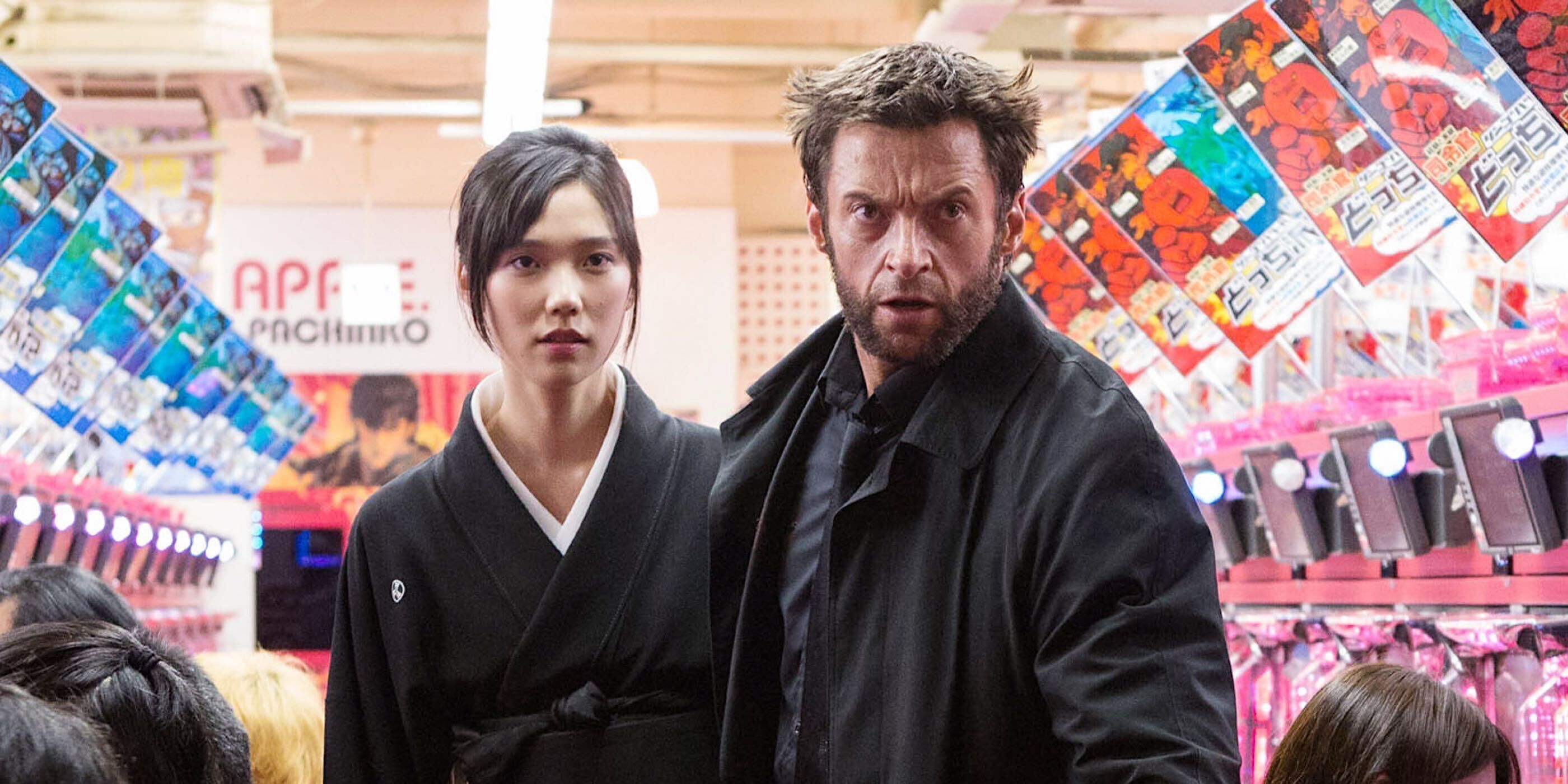
The second solo Wolverine adventure finds our hero still reeling from the events of previous films. Haunted by the death of Jean Grey and living in exile, Logan (Jackman) is approached by Yukio (Tao Okamoto), a mutant who leads him to Ichirō Yashida (Haruhiko Yamanouchi). Yashida is a wealthy businessman whose life was saved by Logan in the bombing of Hiroshima decades ago. Now an old man on his deathbed, he offers Logan the chance to lose his rapid healing ability, allowing him to live a mortal life. This offer is complicated, however, as Logan is drawn into a conspiracy that threatens innocent lives.
It’s a darker take on the character, following the much-criticized Origins four years earlier; the film was based on the popular 1982 comic book series Wolverine by Chris Claremont and Frank Miller, which has the same setting and a similar arc. It was, at that point, the second most successful X-Men movie of all time, finishing just short of X-Men: The Last Stand with $416 million at the box office. Its success can be put down to its action, intensity, and a closer look at a familiar face.
At the time of the film’s release, the chronology of Wolverine’s journey began with Origins, where a bullet to the head wiped his memory. However, the events of the original X-Men trilogy, especially his reunion with William Stryker (Brian Cox) in X2, have led him to piece together a lot of his past. There are still gaps, but what he remembers is more than enough for one lifetime. The loss of his beloved Jean Grey, the knowledge of the violence he committed while still working for Stryker, and years of fighting have weighed on him. He is a man burdened by his memories, and at this point not aware of the vulnerabilities that will arrive in Logan. His abilities make him essentially immortal, something that feels like more of a curse than a blessing.
The Wolverine is the first movie that sits with that: the knowledge that you will outlive allies, family, and lovers, and that the only certainty in life is loss. His pain is clear to everyone he sees – his ally Yukio remarks: “You're a soldier, and you seek what all soldiers do…An honorable death. An end to your pain.” Yashida’s offer is made on the assumption that his abilities were too much to bear. “Eternity can be a curse,” he says. “It hasn't been easy for you, living without time. The losses you have had to suffer. A man can run out of things to live for. Lose his purpose. Become a ronin. A samurai without a master.”
Whereas his abilities were an asset in previous films, here they begin to become the problem. Logan questions how long he can wander the earth, building emotional scars even if the physical ones won’t form. His life was defined by pain and tragedy, so who would want to live forever under those circumstances? Yashida’s offer is the most compelling crossroads in that story – a chance to have an ending, stop the pain, and find peace. It is, of course, one that he won’t choose, but the plot device forces us to think of just what our favorite mutant has gone through.
As most fans will know, 2017’s Logan does give him an ending. Set in a near-future where his allies have been killed and mutants outlawed, the former Wolverine grapples with diminishing powers that finally make him vulnerable. He overcomes these weaknesses just long enough to save his daughter, a female clone named X-23 or Laura (Dafne Keen), eventually succumbing to his wounds. As he dies, however, we see that this ending is a happy one, as he tells a weeping Laura, “Don’t be what they made you.” As she tearfully calls him “Daddy,” Logan smiles and says: “So this is what it feels like.” He dies knowing love, knowing that he had saved the most important person in his life. After years of fighting, he had found peace.
It’s a beautiful moment in Marvel history, but you don’t get there without understanding why it means so much. We need to know the struggle he has been through personally, the tortured soul that yearned for rest, and that is best explored in The Wolverine. It’s appropriate, perhaps, that the two films share the same director, James Mangold, and both look at the man beyond the mission. The Wolverine is a bridging point between the action-packed spectacle of the traditional X-Men movies, and the character-driven storytelling of Logan.
While not as celebrated as other Logan adventures, The Wolverine is a must-see for any fan of the character, given its sharper focus on the life of the man with the adamantium claws. Whether or not fan theories about his appearance in Avengers: Doomsday come to pass, it’s the perfect time to check out this highlight from one of the superhero genre’s brightest stars.